
Minimal Metadata Set (MNMs) for Repurposing Non-Clinical In Vivo Data
The aim of the Minimal MetaData Set (MNMS) project is to establish a collaborative platform connecting biopharma companies, researchers, vendors, and regulatory bodies. This initiative aims to demonstrate that sharing a harmonised minimal metadata set (MNMS) together with raw locomotion data enables fully reproducible analyses across several pharmaceutical partners. We remove biological and protocol variability and focus on the value that rich, FAIR‑compliant metadata bring to data reuse.
Why is this important?
Current animal research data is often siloed and non-harmonized, making it difficult to reuse across various biomedical research fields. One critical element for enabling data sharing and repurposing is the provision of metadata that accurately describes the raw or primary data. However, there is currently no established Minimal Metadata Set (MNMS) that can be used in a domain-agnostic way across these fields. Solving this problem could bring new scientific insights, create opportunities to reduce or replace animal experimentation through data reuse and the generation of virtual control groups, and improve research efficiency. The proposed MNMS would align with ARRIVE 2.0 and capture the essential descriptors needed to compare studies across labs.
What will the project achieve?
To address the problem of non-harmonized, non-standardized data sources that prevent repurposing of biomedical research data from animal studies, we propose a Minimal Metadata Set (MNMS) designed to enable the repurposing of in vivo data. MNMS would align with existing validated guidelines for reporting in vivo data (such as ARRIVE 2.0) and would contribute to making in vivo data FAIR-compliant.
An effective solution could positively impact multiple stakeholders across academia, pharmaceutical and contract research sectors, and regulatory bodies in the following ways:
- Enhanced Data Sharing & Generation of Virtual Control Groups: The use of virtual control groups, made possible through data sharing and repositories that follow MNMS guidelines, can benefit various stakeholders by providing a robust framework for comparative studies.
- Incremental Knowledge: A standardized MNMS would facilitate data sharing and repurposing, leading to new insights and discoveries by enabling researchers to effectively analyze and utilize existing data sets, such as in the context of meta-analyses.
- Ethical Use of Animals: By promoting data sharing and reuse, MNMS helps advance the ethical use of animals in research, ensuring that maximum scientific value is obtained from each animal study.
- Operational Efficiency: A well-defined MNMS can streamline data management processes, reduce administrative burdens on researchers, and ensure high-quality data reporting.
Collectively, the MNMS approach will achieve significant ethical, scientific, operational, economic, and regulatory benefits. Ethically, it aligns with the 3Rs principles (Replace, Reduce, Reuse) by minimizing the need for concurrent control groups. Scientifically, it enhances reproducibility and data comparability through standardized and consistent metadata capture. Operationally, it streamlines workflows by reducing data wrangling and manual processing, while economically it lowers costs related to animal use, housing, and staffing. From a regulatory perspective, data collected under the MNMS can support formal submissions with validated contextual information, reinforcing both compliance and transparency.
Key deliverables of the project include:
- Joint development of tools to support integration with existing data infrastructure.
- Creation of new documentation and materials to support uptake of MNMS.
- Harmonization of terminologies and controlled vocabularies to support MNMS adoption.
- Development of comprehensive legal frameworks and policies for data sharing across multiple industries.
Get Involved
Partner with industry, academic, and regulatory experts to harmonise metadata standards and advance research.
Get in TouchOur Partners
Our Events



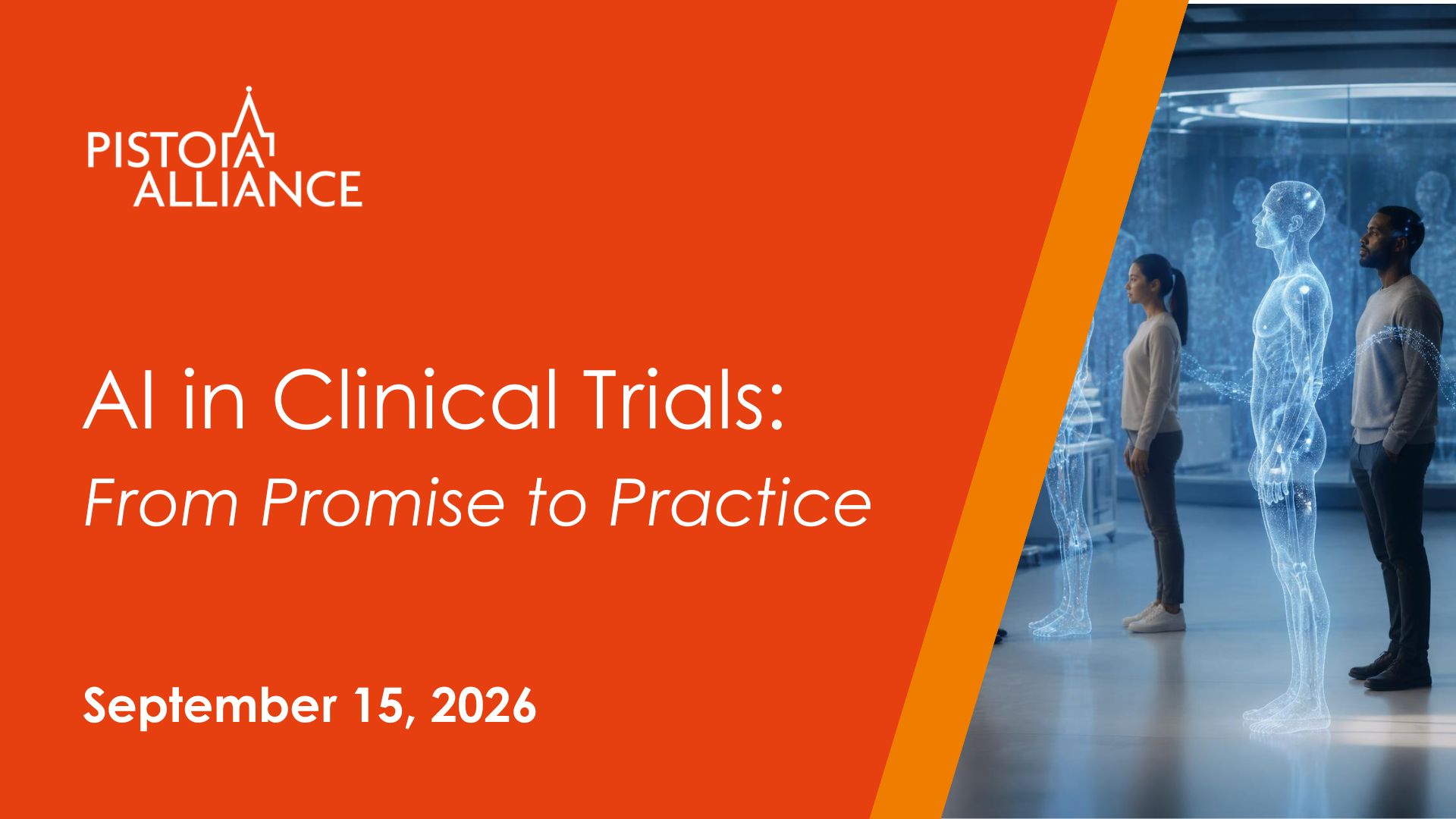



From Target Identification to Clinical Trials — Use Case Deep Dive & Topics for 2027
Book Now