
In Vivo Efficacy Data Standards
Project Charter
The In Vivo Laboratory Efficacy Data Standards project is a multi‑stakeholder initiative to create a SEND‑aligned, FAIR‑ready framework that harmonizes in vivo efficacy data across pharma, CROs, and technology providers. The project will deliver interoperable, analysis‑ready, AI/ML‑enabled datasets that address a critical standards gap in non-clinical R&D.
The Challenge
In vivo efficacy studies produce essential evidence for drug discovery decision‑making, yet no harmonized standards exist to support consistent, reusable, and interoperable data. The result is fragmented and inconsistent datasets, bespoke data formats, and inefficient data integration across pharma companies, CROs, and technology platforms. This limits data reuse and the translational value of preclinical results, creates barriers to AI/ML analytics, and slows regulatory submissions.
While CDISC SEND has successfully standardized toxicology data, no equivalent framework exists for efficacy studies, leaving a critical industry‑wide gap that reduces data quality and slows scientific progress.
The Solution
This project launches a pre‑competitive, cross‑industry initiative to develop and pilot practical, SEND-like data standards for in vivo efficacy studies. Building on industry consensus and real‑world data, the project will:
- Establish a sustainable cross‑industry community of practice focused on in vivo data standards.
- Define minimum data elements, terminology, and metadata for efficacy studies.
- Develop and pilot a draft data model aligned with CDISC SEND, using datasets from participating companies.
- Document use cases, benefits, and gaps to support future CDISC adoption.
- Position pharmaceutical companies, CROs, and vendors for more efficient data exchange, integration, and future compliance.
Participating organizations will gain early access to streamlined integration processes, analysis‑ready datasets, and strengthened AI/ML capabilities, positioning them at the forefront of regulatory‑aligned data innovation.
Targeted Outputs
The project has prioritized three therapeutic areas and will produce a suite of SDTM‑based efficacy data models with validated templates based on data from at least three partners for those priorities:
- Oncology Efficacy Data
- Immunology Efficacy Data
- CNS Efficacy Data
- A Publication synthesizing the models, use cases, and recommendations is also a planned deliverable.
Why This Is Important and Why Now
In vivo efficacy data is foundational for early‑stage R&D, yet the absence of harmonized standards is increasingly incompatible with modern research demands. Fragmented data reduces reproducibility, hinders data exchange, and constrains the potential of AI/ML‑driven analytics, just as organizations accelerate digital transformation.
With industry momentum around FAIR data principles, the proven success of SEND in toxicology, and growing regulatory expectations for structured preclinical evidence, now is the optimal moment to establish a unified framework for in vivo efficacy data.
This project delivers immediate value in the form of improved data exchange and interoperability, analytical power, and future regulatory readiness, while laying the groundwork for future CDISC adoption and broader scalability.
Get Involved
To find out more or participate in this project, get in touch with Veronique Francois.
Contact VeroniqueProject Sponsors









Our Events




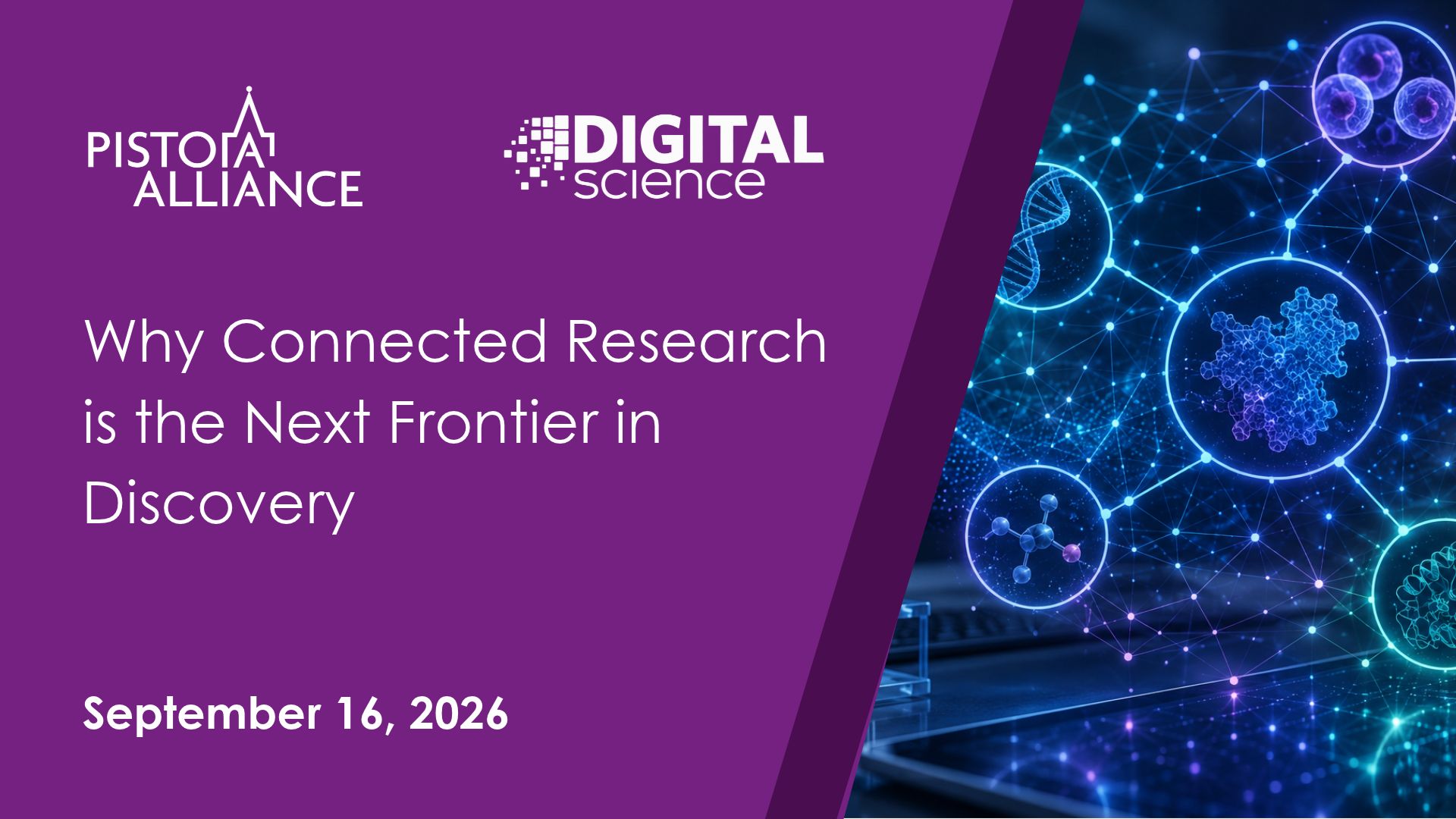




From Target Identification to Clinical Trials — Use Case Deep Dive & Topics for 2027
Book Now